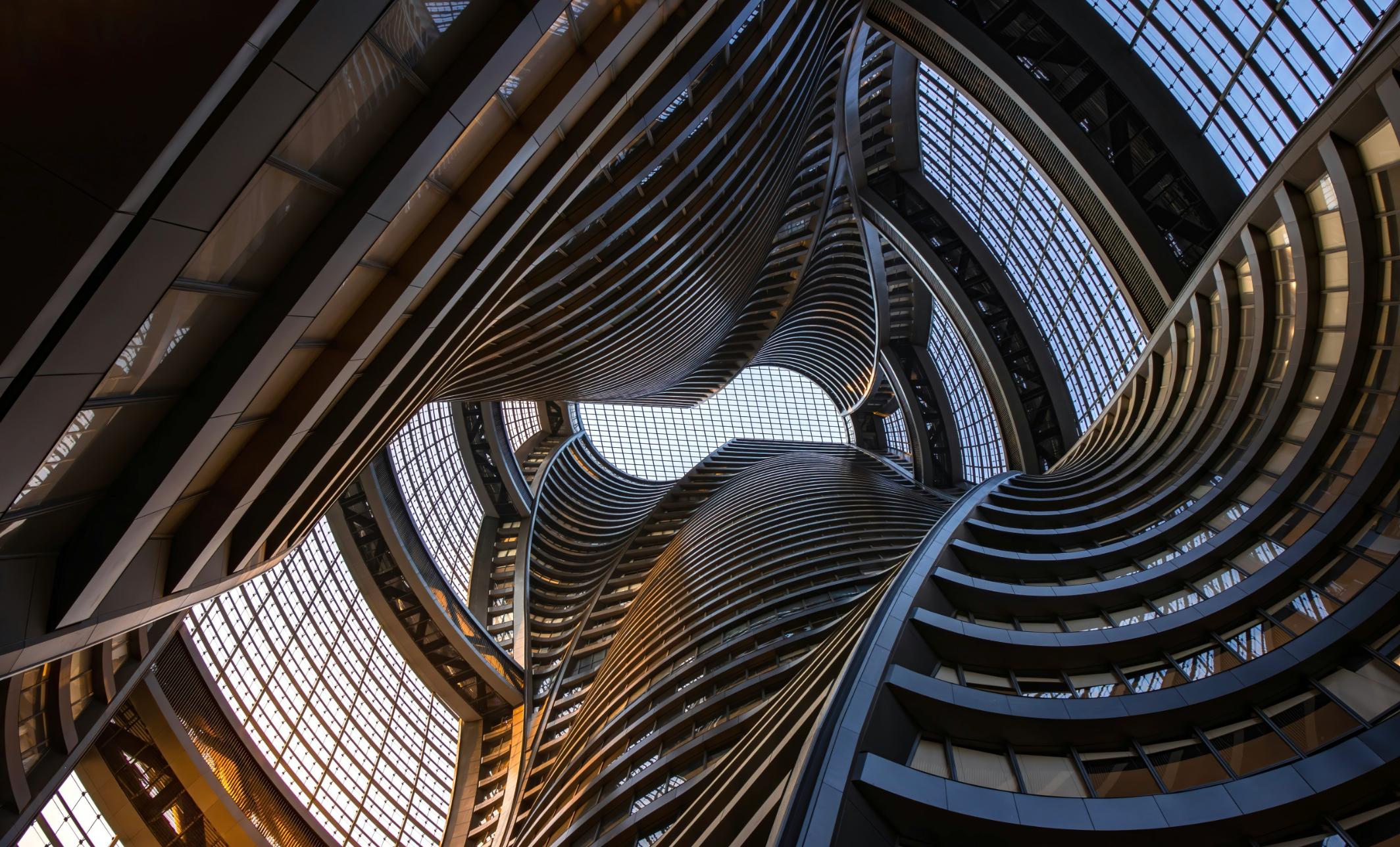
Liminal Architecture: Spaces Between Definitions
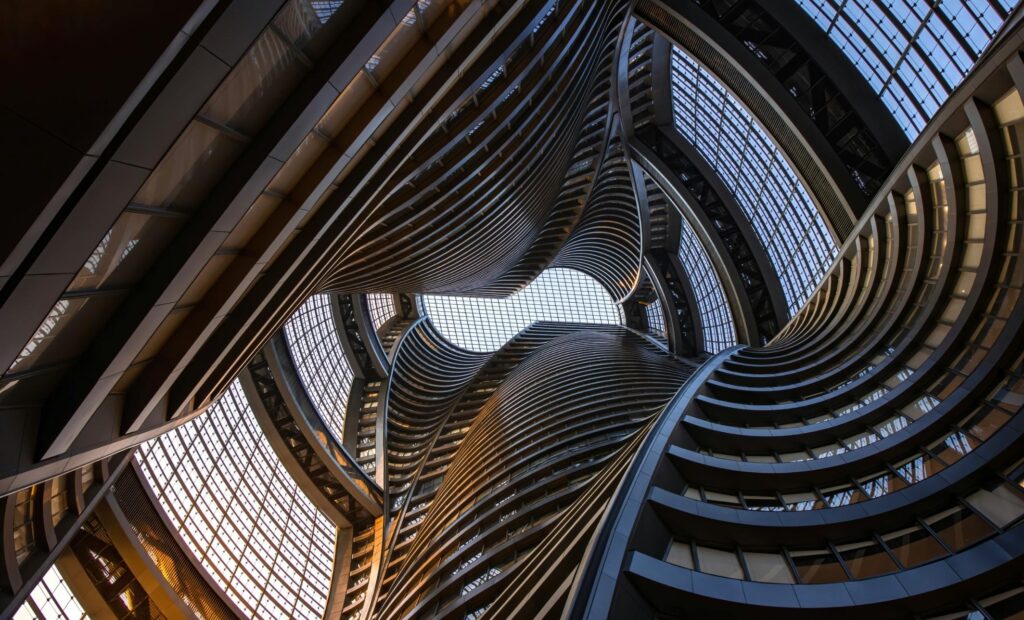
We live our lives in defined spaces: the home, the office, the cafe, the park. But what about the places that are purely for passage? This photographic essay is a meditation on liminal architecture—the transitional zones that exist between definitions. Stairwells, hallways, lobbies, and corridors are the architectural equivalent of a held breath. They are spaces of pure function, designed not for being, but for moving through. Yet, in their very purposelessness, they create a unique psychological atmosphere, a temporary suspension from the world that can be both unsettling and strangely serene.
The Hallway as a Tunnel of Time
A hallway is a tunnel connecting one moment to another. It connects the public world of the street to the private world of an apartment, or the focused energy of a meeting room to the quiet of a personal office. To photograph a hallway is to capture a visual representation of transition. The repeating patterns of doors, the predictable rhythm of overhead lights, the long, converging lines—all create a sense of forward momentum. The air in an empty hallway is often still and silent, thick with the echoes of past footfalls. It’s a space where you are acutely aware of your own movement, your own journey from what was to what will be.
The Stairwell: A Vertical Pilgrimage
A stairwell is a vertical pilgrimage. Unlike an elevator, which whisks you away from the journey, a stairwell forces you to experience every step of the ascent or descent. Each landing is a pause, a small plateau for rest and reorientation. The quality of light in a stairwell is often unique—it might be a single, dusty window casting a dramatic slash of light across concrete steps, or the low, industrial hum of a safety light. Photographing these spaces reveals a raw, unadorned beauty. The focus is on form, texture, and the cyclical, meditative act of climbing. This interest in the aesthetic qualities of functional spaces is a key theme in architectural photography, a field celebrated by publications like Dezeen.
The Lobby: A Threshold of Possibility
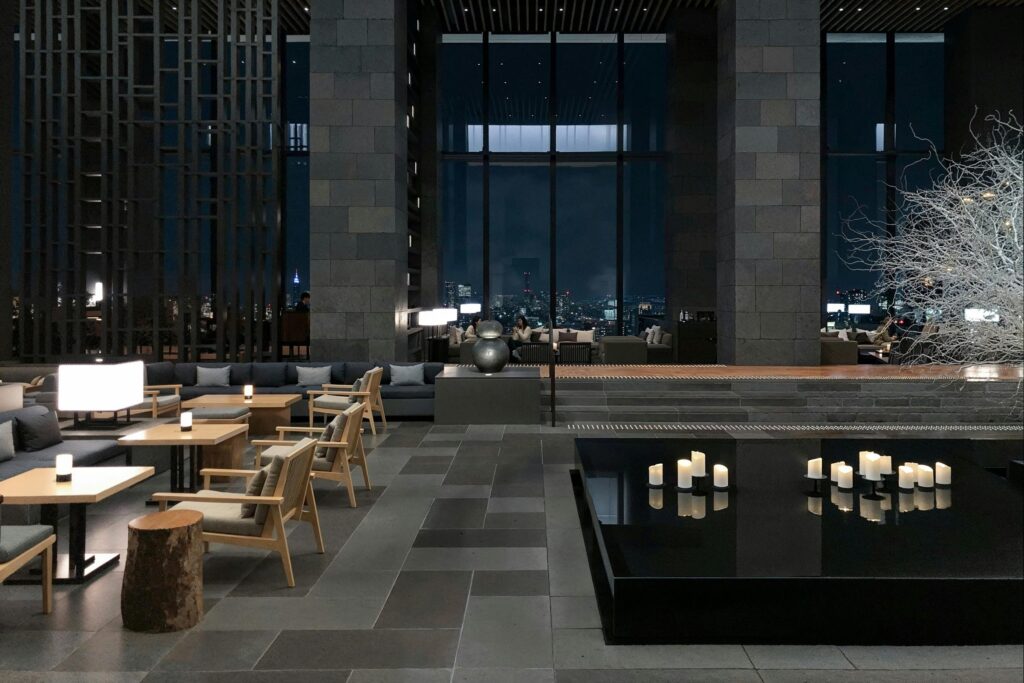
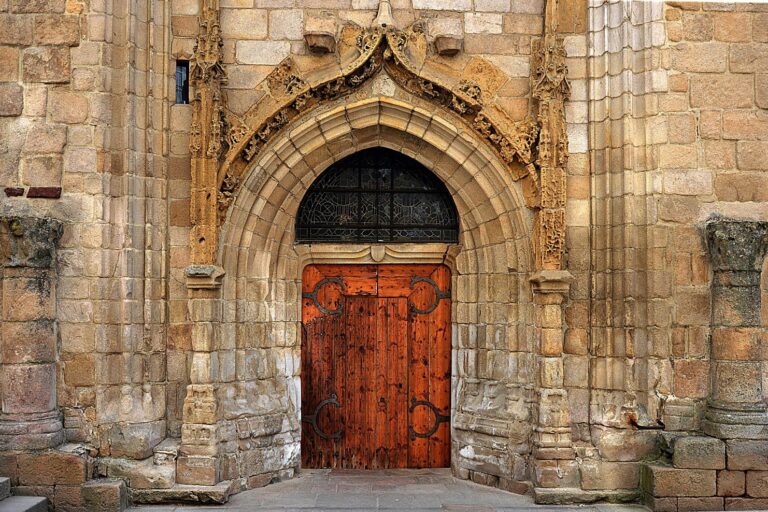
A lobby is a grand pause, a threshold between the chaos of the outside world and the ordered environment within. It is designed to create a first impression, yet it is a space where no one truly belongs. People are either arriving or departing; they are in a state of perpetual flux. The high ceilings, polished floors, and sparse furniture of a corporate lobby can create a feeling of awe and intimidation. In contrast, the worn armchairs and soft lighting of an old hotel lobby might feel like a gentle, welcoming embrace. Photographing lobbies is about capturing this feeling of being on the cusp, of standing in a beautifully designed space that is ultimately defined by its own emptiness.
The Psychology of In-Between Spaces
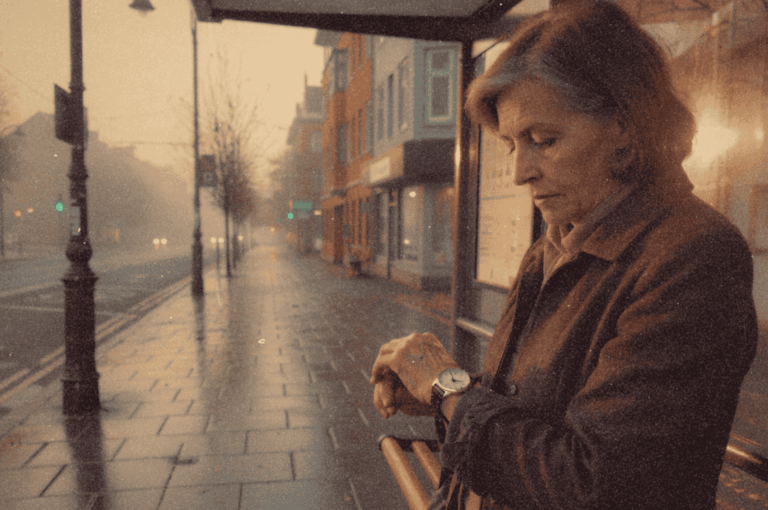
These liminal spaces have a profound psychological effect on us. Because they are not destinations, our minds can enter a different state while passing through them. They can be places of introspection, where a thought that began in one room can fully form before you reach the next. They can also be unsettling, their emptiness and anonymity evoking a sense of dislocation or loneliness, a feeling often explored by artists like Edward Hopper, whose work can be studied at institutions such as the Art Institute of Chicago. The camera can capture this feeling through the use of wide angles that emphasize the emptiness, or tight shots that focus on a single, lonely detail.
Light as the Only Occupant
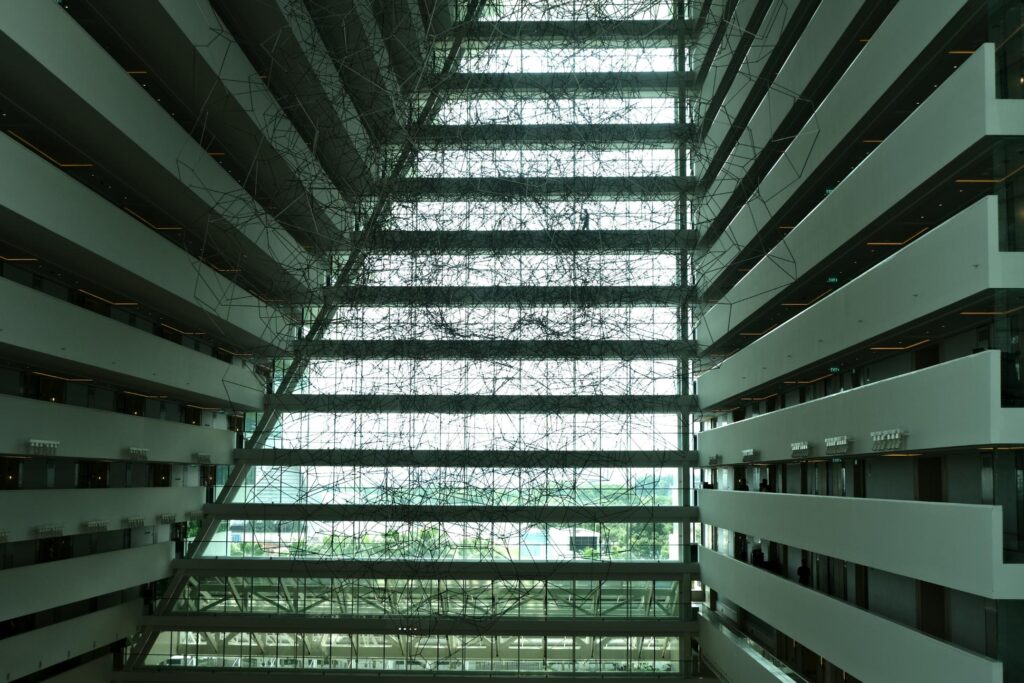
In these transitional zones, light often becomes the main occupant. The long, geometric shadow cast by a handrail, the soft glow from beneath a door, or the reflection of a window on a polished floor—these become the central subjects of the photograph. The light animates the space, giving it character and mood. It traces the passage of the day, turning a mundane corridor into a canvas of shifting patterns. Following the journey of this light is a way of documenting the silent life of the building itself, a practice that connects photography to a deeper, more contemplative way of seeing. This mindful approach to art and life is often the subject of philosophical inquiry in forums like The On Being Project.
A Portrait of Potential
To photograph liminal architecture is to create a portrait of potential. These spaces are defined by what is about to happen, or what has just occurred. They are the quiet gaps in the narrative of our daily lives, much like the fleeting nature of a meal that will not exist tomorrow. By pausing to see them, to really observe their form, light, and atmosphere, we can find a strange beauty in their functional honesty. We can appreciate the serene emptiness of a space that asks nothing of us but to pass through. And in doing so, we honor the silent, in-between moments that connect all the other, more defined parts of our world.
For readers drawn to these quiet thresholds, these ideas unfold further in Vertical Solitude: Life in the Sky Gardens and The Weight of Shadow: How Buildings Remember.